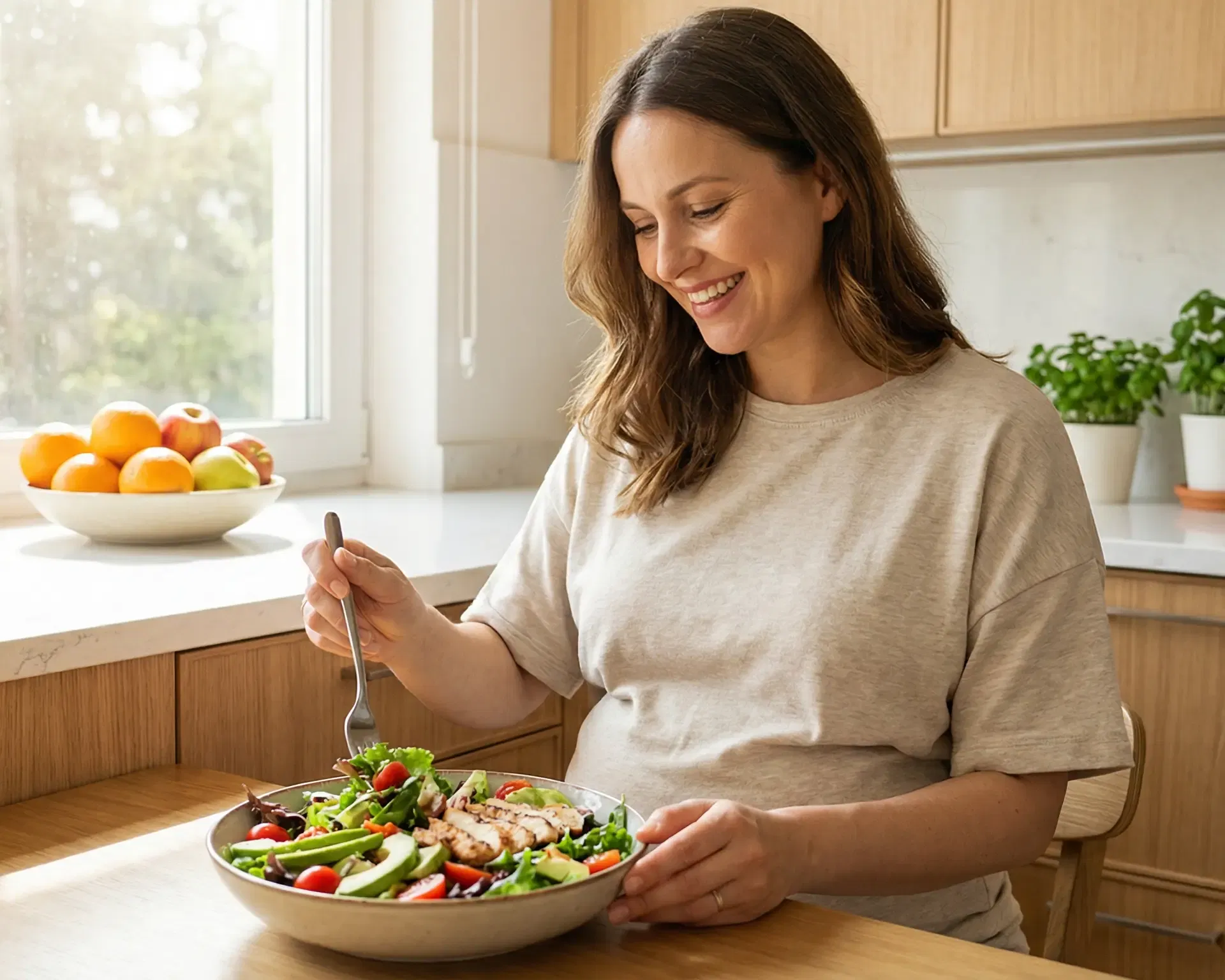
Why Pregnancy Nutrition is More Than Just Eating for Two
Pregnancy is a time of incredible transformation, and with it comes a heightened awareness of what you put into your body. The old saying “eating for two” is a bit of a misnomer; it’s not about eating twice as much, but about eating twice as well. Modern pregnancy nutrition has moved beyond a one-size-fits-all approach and now focuses on personalized, nutrient-dense diets that support both you and your growing baby. Understanding your unique needs can make a world of difference, not just for your physical health, but also for your emotional well-being as you navigate this journey. For many, the pressure to eat perfectly can be a source of stress, so it’s important to approach nutrition with a sense of balance and self-compassion, which is a key part of managing pregnancy anxiety.
The Building Blocks of a Healthy Pregnancy Essential Nutrients
During pregnancy, your body’s demand for certain nutrients skyrockets. These vitamins and minerals are the fundamental building blocks for your baby’s development, from their brain to their tiny toes. Focusing on these key nutrients will help ensure a healthy start for your little one.
Folate The Foundation for a Healthy Start
Folate, and its synthetic form, folic acid, is arguably the most well-known pregnancy nutrient. It plays a critical role in preventing neural tube defects, which are serious birth defects of the brain and spine. Excellent food sources include leafy green vegetables like spinach and kale, lentils, beans, and fortified cereals.
Iron for Energy and Oxygen
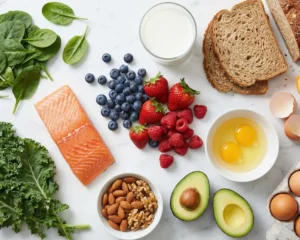
Your blood volume increases by nearly 50% during pregnancy, which means you need more iron to make hemoglobin, the protein in red blood cells that carries oxygen to your tissues and to your baby. Iron deficiency can lead to anemia, causing fatigue and other complications. You can find iron in lean red meat, poultry, fish, beans, and iron-fortified cereals.
Calcium for Strong Bones (Yours and Baby’s)
You and your baby both need calcium for strong bones and teeth. If you don’t get enough calcium in your diet, your body will take it from your bones to give to your baby. Great sources include dairy products like milk, yogurt, and cheese, as well as non-dairy sources like broccoli, kale, and calcium-fortified orange juice.
Protein The Master Builder
Protein is essential for your baby’s growth throughout pregnancy. It’s a crucial component of every cell in their body. Aim to include good protein sources at every meal, such as lean meat, poultry, fish, eggs, beans, nuts, and tofu.
DHA for Brain and Eye Development
DHA, an omega-3 fatty acid, is a major structural fat in your baby’s brain and eyes. Including DHA in your diet is vital for their cognitive and visual development. The best sources are low-mercury fatty fish like salmon, sardines, and anchovies. If you don’t eat fish, you can talk to your doctor about a DHA supplement.
Choline The Unsung Hero
Choline is a lesser-known but incredibly important nutrient for your baby’s brain and spinal cord development. It may also help prevent certain birth defects. Egg yolks are one of the best sources of choline, but it’s also found in beef, soybeans, and chicken.
Personalizing Your Prenatal Diet
Every pregnancy is unique, and so are your nutritional needs. A personalized approach to your prenatal diet allows you to meet your specific requirements while also enjoying the foods you love.
Calorie Needs by Trimester
While you don’t need to eat for two, your calorie needs do increase as your pregnancy progresses. In the first trimester, you likely don’t need any extra calories. In the second trimester, you’ll need about 340 extra calories per day, and in the third trimester, about 450 extra calories per day. These are just estimates, and your individual needs may vary.
Listening to Your Body Cravings and Aversions
Pregnancy can bring on strong food cravings and aversions. While it’s fine to indulge a craving occasionally, try to find healthy ways to satisfy them. If you’re experiencing strong aversions to healthy foods, talk to your doctor or a registered dietitian about ways to ensure you’re still getting the nutrients you need.
Special Diets Vegetarian, Vegan, and Gluten-Free
It is entirely possible to have a healthy pregnancy while following a special diet, but it requires careful planning. If you are vegetarian or vegan, you’ll need to pay special attention to getting enough iron, vitamin B12, calcium, and protein. For more detailed guidance, The Vegetarian Resource Group offers excellent resources on planning a vegan pregnancy diet.
Food Safety Your Top Priority

During pregnancy, your immune system is suppressed, which makes you more susceptible to foodborne illnesses that can be harmful to your baby. Practicing good food safety is essential.
Foods to Avoid A Quick Guide
To keep you and your baby safe, it’s best to avoid certain foods, including unpasteurized dairy products (soft cheeses like feta, brie, and queso fresco), high-mercury fish (like shark, swordfish, and king mackerel), raw or undercooked meats and eggs, and deli meats unless they are heated until steaming hot.
The Truth About Listeria and How to Avoid It
Listeria is a type of bacteria found in soil, water, and some animals. It can cause a serious infection called listeriosis, which can be very dangerous during pregnancy. To avoid it, always wash your hands before and after handling food, cook meat and poultry thoroughly, and follow the guidelines for foods to avoid. For a comprehensive list, the FDA provides detailed food safety advice for pregnant women.
Beyond the Plate Supplements and Hydration
Even with a healthy diet, it can be difficult to get all the nutrients you need during pregnancy. That’s where prenatal vitamins and good hydration come in.
Choosing the Right Prenatal Vitamin
A good prenatal vitamin acts as an insurance policy to fill any nutritional gaps in your diet. Look for one that contains folic acid, iron, calcium, and DHA. Your doctor can recommend the best one for you.
The Importance of Staying Hydrated
Water is essential for a healthy pregnancy. It helps form the amniotic fluid, produces extra blood volume, builds new tissue, carries nutrients, and helps with digestion. Aim for at least 8-12 glasses of water per day.
Creating Your Support System for a Healthy Pregnancy

Navigating pregnancy nutrition can feel overwhelming, but you don’t have to do it alone. Creating a personalized nutrition plan is a collaborative effort between you, your healthcare provider, and potentially a registered dietitian. They can help you create a plan that meets your individual needs and preferences. Remember, the goal is a healthy and happy pregnancy, and that includes having the right people on your team. Learning how to build a support system is a vital part of your journey.